
Top 5 Things That Can Delay Your Car Shipment (And How to Handle It)
Vinmove Team
Author
July 8, 2026
Published
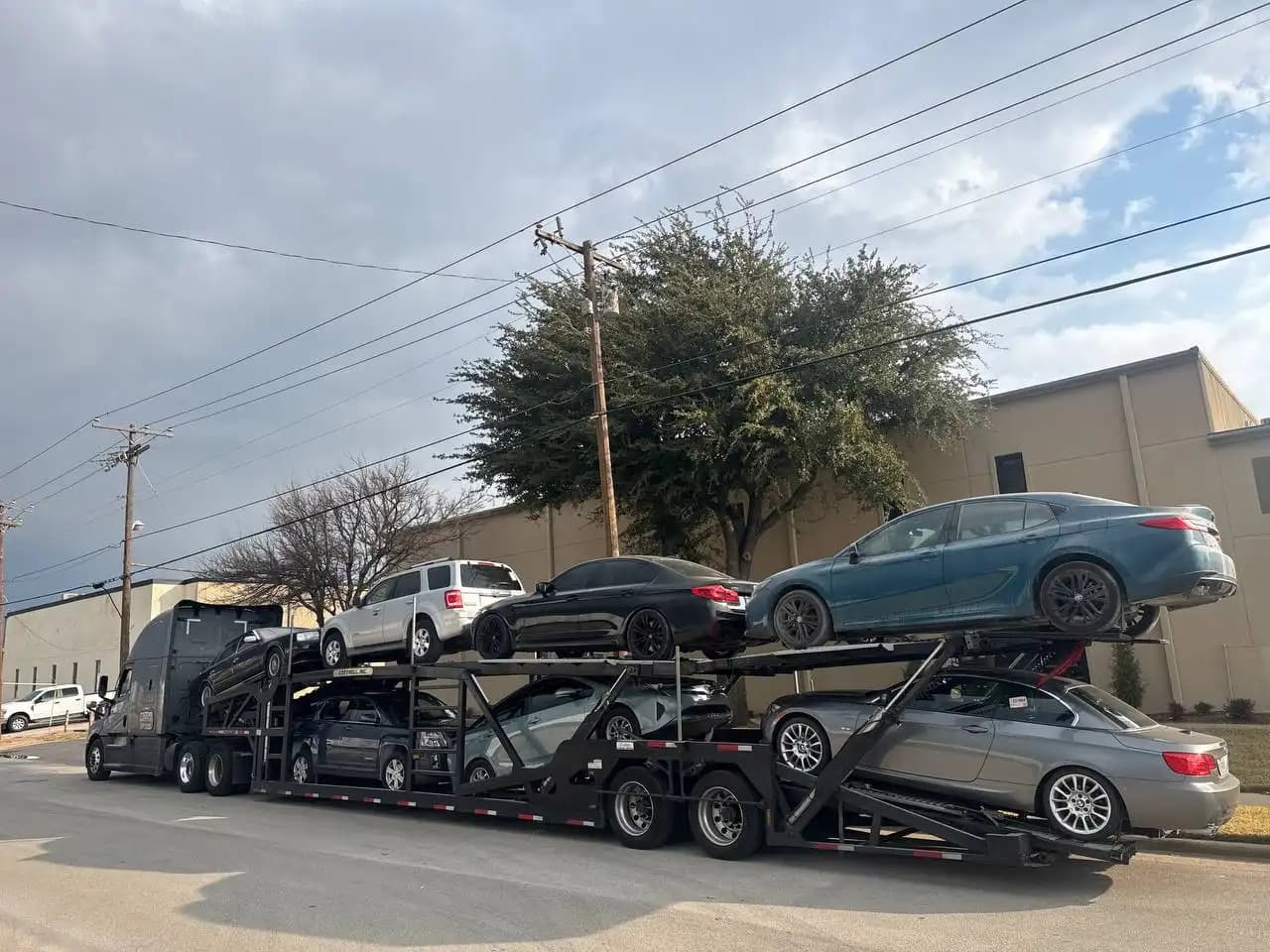
Top 5 Things That Can Delay Your Car Shipment (And How to Handle It)
Handing over the keys to your beloved four-wheeled chariot can feel a bit like sending a kid off to college. You track the journey, cross your fingers, and wait with bated breath. Auto transport is generally a smooth, well-oiled machine, but it isn't always a straight shot down the interstate. Delays happen.
Let's delve into the top five chronophages—those unexpected time-eaters—that can stall your vehicle's transit, and explore exactly how to gracefully navigate these logistical hiccups.
1. The Caprices of Mother Nature
Mother Nature is notoriously indifferent to your tight scheduling needs. From torrential inundations and sudden squalls to blinding whiteouts in mountain passes, tempestuous weather is the leading culprit in transit delays. Haulers drive massive, unwieldy rigs. They simply cannot safely navigate a 75-foot, heavily loaded trailer through a hurricane or a localized blizzard. Safety dictates that they pull over and wait out the meteorological tantrum.
How to Handle It: Keep a weather eye on the radar along your car’s intended route. Exercise patience, recognizing that a slightly delayed vehicle is infinitely preferable to a damaged one. Trust the driver's expertise in reading the atmospheric hazards.
2. Mechanical Malaise of the Transport Rig
Auto transport trailers are heavy-duty, mechanical behemoths. Consequently, they are susceptible to the exact same breakdowns as any other complex machine traversing the highways. Blown pneumatic tires, capricious hydraulic ramps, or profound engine maladies can ground a carrier mid-route. This mechanical malaise creates a sudden logistical imbroglio. Replacing a specialized semi-truck part isn't as simple as a quick pit stop at a local corner garage.
How to Handle It: Maintain open communication channels with your shipping broker or the dispatcher. Don't panic. Legitimate, well-insured transport companies possess contingency protocols for such infrastructural hiccups, including dispatching backup cabs or repair units to get the cargo moving again.
3. The Quagmire of Asphalt
Even the most meticulously charted itinerary can fall victim to the asphalt quagmire. Massive multi-car pileups, unforeseen infrastructural repairs, and serpentine detours can obliterate a driver’s carefully curated schedule. When a carrier is abruptly forced to navigate a labyrinthine bypass to avoid a closed interstate bridge, hours simply evaporate. It happens entirely without warning.
How to Handle It: Build a generous temporal buffer into your delivery expectations. Track the GPS portal if your broker offers it, and embrace a philosophy of flexible anticipation rather than clock-watching anxiety.
4. The Unprepared Cargo
Surprisingly often, the holdup originates right at the starting line. Customers presenting vehicles loaded with prohibited accoutrements, sporting dead batteries, or lacking the requisite bureaucratic paperwork create immediate impediments. A driver cannot legally or safely load an ill-prepared chassis. The truck sits idle. The clock ticks away.
How to Handle It: Be punctilious in your preparation. Strip the interior of personal belongings, ensure the battery holds a solid charge, and verify the tires are properly inflated. Have every required document organized in a dedicated dossier before the rumbling truck ever turns down your street.
5. Logistical Bottlenecks and Route Density
The auto transport industry thrives on incredibly complex synchronization. Occasionally, a specific regional route experiences a sudden fluctuation in demand, resulting in a cacophony of pending orders and a sudden dearth of available trucks. Furthermore, if a driver takes longer than expected to load or drop off other vehicles on their multi-car manifest, the entire timeline shifts downstream. You are left waiting on the domino effect.
How to Handle It: Book your transit well in advance of your desired temporal window to secure your spot on a manifest. Flexibility is your ultimate prophylactic against logistical stress. Understand that providing a two-to-three-day pickup and delivery window, rather than demanding an exact hour, will dramatically reduce your blood pressure.
Related Articles
Continue reading with these related posts

Official Announcement: VINMOVE Team Update & New Email Domain
At VINMOVE, we are continuously evolving to serve our clients and logistics partners better.
Cost to Ship a Car From Florida to California (2026)
See 2026 rates to ship a car from Florida to California — open vs. enclosed pricing, transit times, and how to get an accurate quote from Vinmove.
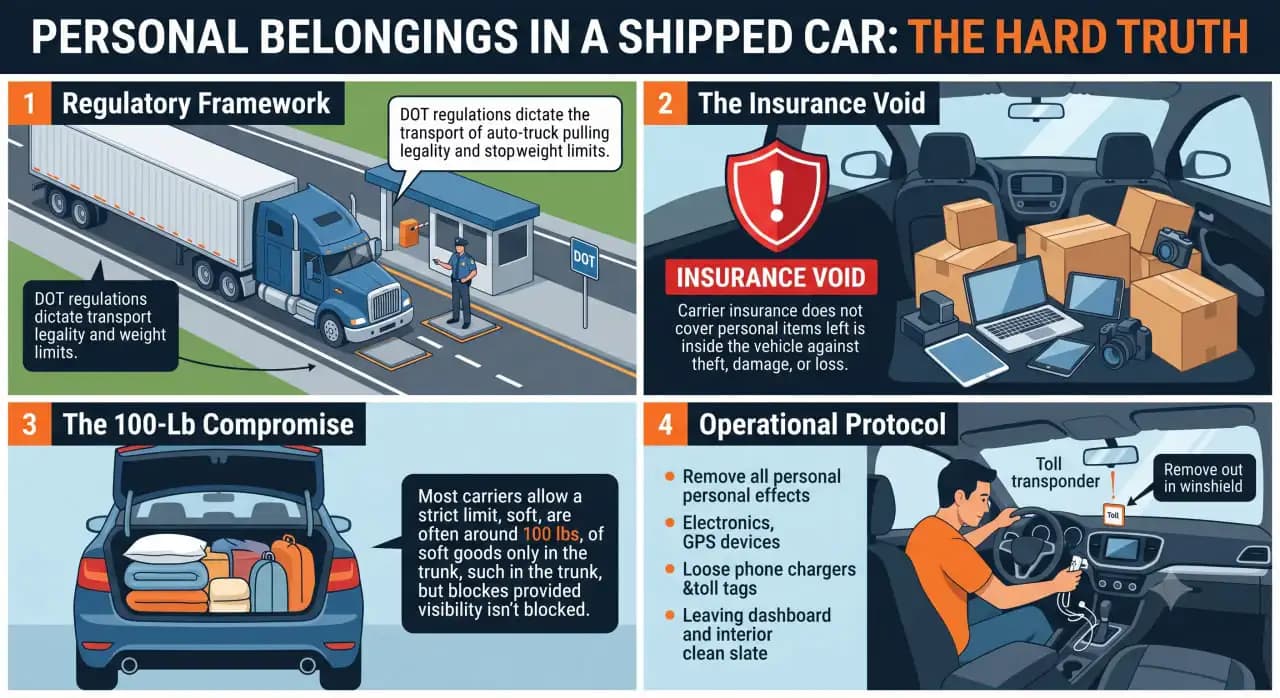
Can You Put Personal Belongings in a Shipped Car? (The Hard Truth)
When you face the massive task of packing up your entire life for a long-distance relocation, every cubic inch of packing space feels like gold.