
The Grand Relocation Dilemma: Tarmac vs. Transit
Vinmove Team
Author
July 8, 2026
Published
July 8, 2026
Updated
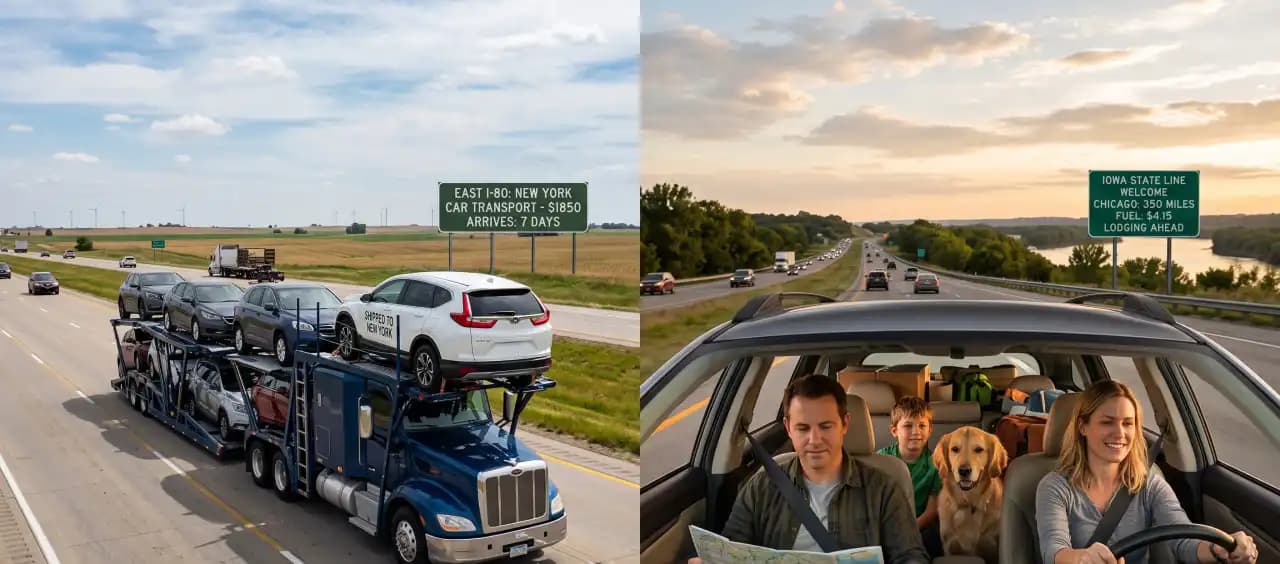
The Grand Relocation Dilemma: Tarmac vs. Transit
Relocating across vast geographical expanses introduces a complex logistical matrix, primarily anchored by a singular question: what should be done with the family automobile? It is a conundrum that pits the romanticism of the open highway against the cold efficiency of industrial freighting. Every year, thousands of individuals stand at this exact crossroad, balancing fiscal constraints, temporal limitations, and sheer psychological endurance.
To make an informed choice, one must dissect the operational realities of both methodologies. This analysis bypasses superficial preferences, diving deep into the hidden variables of cross-country vehicle transit.
The Economics of Scale: A Ledger of True Costs
At first glance, driving appears to be the fiscally conservative path, yet a granular auditing of expenses often reveals an economic parity between the two options. The cost of a road trip extends far beyond the volatile pricing of petroleum at the pump.
+-----------------------------------+-----------------------------------+
| Driving Expenses (The Hidden Toll)| Shipping Costs (The Freight Spec) |
+-----------------------------------+-----------------------------------+
| • Volatile fuel pump pricing      | • Carrier base tariff             |
| • Lodging (Interstate hospitality)| • Fuel surcharges                 |
| • High-calorie roadside nutrition | • Insurance allocation            |
| • Mechanical depreciation         | • Terminal-to-terminal variables  |
+-----------------------------------+-----------------------------------+
When driving, one must calculate the cumulative cost of interstate hospitality, high-calorie roadside nutrition, and unexpected vehicular exigencies. Conversely, auto transport logistics operate on a structured tariff system. The baseline quotation from an auto hauler encompasses carrier fuel surcharges, insurance allocations, and transport path complexities. When factoring in the monetary value of one's own time, the financial disparity between direct transport and professional freighting frequently evaporates.
Temporal Velocity and the Psychology of Transit
Time is the ultimate non-renewable asset during a domestic transition. Opting to personally pilot a vehicle across longitudinal boundaries demands a massive allocation of days, converting a transition into a grueling test of endurance. Highway hypnosis and driver fatigue are not merely minor inconveniences; they are psychological obstacles that impede productivity and drain mental stamina.
Professional auto shipping operates on an entirely different temporal plane. By delegating the transport to heavy-haulage logistics networks, the vehicle owner undergoes an instantaneous temporal liberation. While an enclosed or open-air carrier navigates the interstate corridors, you can utilize commercial aviation to arrive at the destination within hours. This preserves intellectual bandwidth, allowing you to focus entirely on establishing your new domestic base.
Wear, Tear, and Mechanical Depreciation
Vehicles are depreciating machinery assets, highly sensitive to mileage accumulation. A multi-thousand-mile journey leaves a permanent mark on an automobile’s operational lifespan. It accelerates the degradation of tire treading, compromises the viscosity of vital engine lubricants, and subjects the chassis to unpredictable structural stresses from varying road qualities.
Mechanical Reality: A 2,000-mile drive is not just a number on the odometer; it represents a significant step toward the next major mechanical service interval, inducing unseen wear on the powertrain and suspension components.
Utilizing a dedicated auto carrier completely bypasses this mechanical toll. The vehicle remains entirely stationary, securely nestled atop an articulated trailer bed. It arrives at the destination with its odometer frozen, untouched by road debris, unpredictable weather systems, or the wear of prolonged velocity.
Risk Mitigation: Safety and Environmental Variables
The open road is an unpredictable environment. Long-distance driving introduces a statistical vulnerability to traffic anomalies, variable meteorological hazards, and vehicular breakdowns in remote areas. Managing these risks demands constant vigilance and a high threshold for stress.
                  [THE RISK SPECTRUM]
                          │
         ┌────────────────┴────────────────┐
         ▼                                 ▼
   [Driving Risks]                 [Shipping Risks]
   • Meteorological Hazards        • Stationary Transit Wear
   • Traffic Anomalies             • Carrier Liability Claims
   • Remote Breakdown Vulnerability• Minor Transit Abrasion
Professional transport companies mitigate these dangers through specialized safety protocols and comprehensive carrier liability insurance. While shipping does present a minor risk of superficial transit abrasion, reputable logistics firms utilize rigorous multi-point tie-down systems and specialized loading ramps to ensure maximum stabilization. Entrusting the vehicle to a certified operator shifts the burden of risk management onto professional shoulders.
Deciding the Vector: The Ultimate Selection Criteria
The final determination hinges on an honest assessment of your specific situational parameters. If the vehicle possesses historical or high economic value—such as an exotic or vintage automobile—enclosed carrier transport becomes an absolute necessity to prevent environmental exposure. Similarly, tight professional schedules usually favor professional shipping.
If, however, the timeline is highly flexible, and the vehicle is an older model where incremental mileage carries negligible financial consequences, a cross-country drive can transform into an enriching personal journey. The decision ultimately rests on choosing which resource you are most willing to expend: financial capital or temporal currency.
Related Articles
Continue reading with these related posts
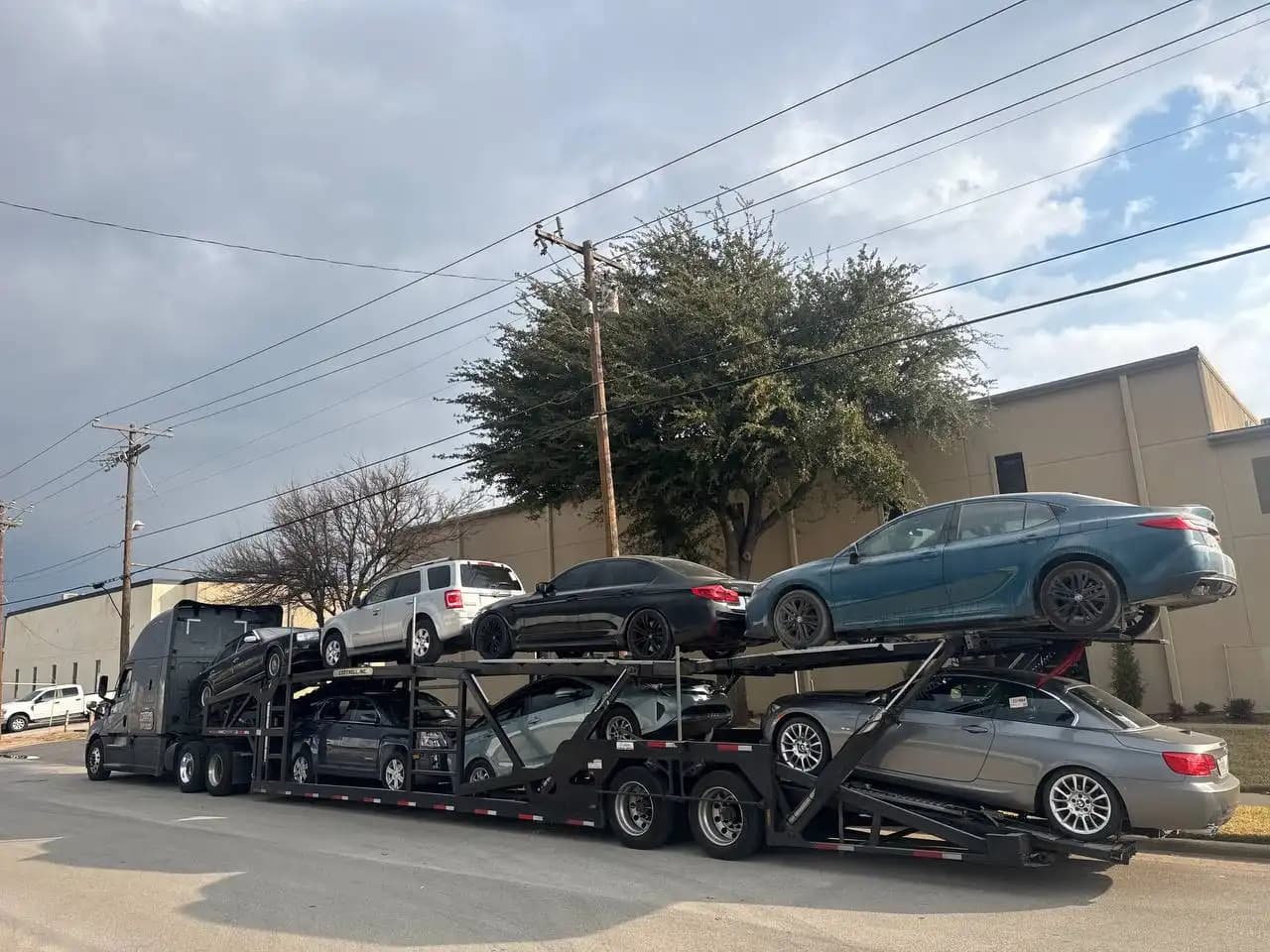
Top 5 Things That Can Delay Your Car Shipment (And How to Handle It)
Handing over the keys to your beloved four-wheeled chariot can feel a bit like sending a kid off to college.
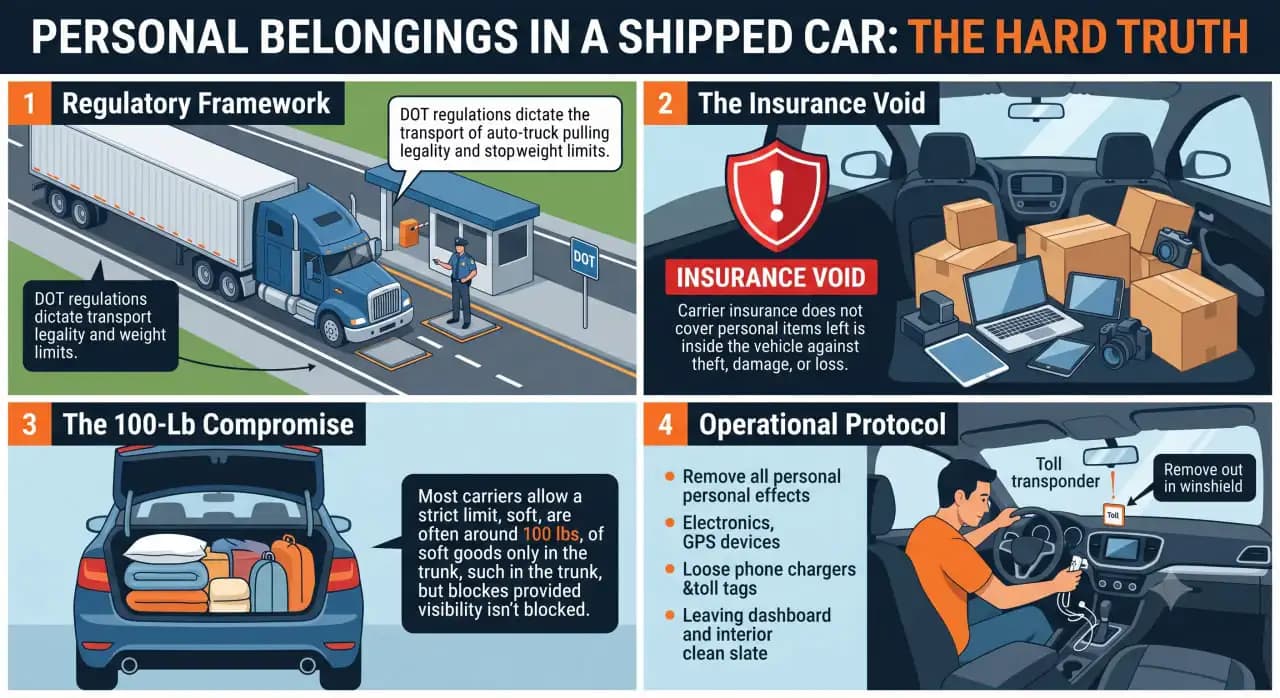
Can You Put Personal Belongings in a Shipped Car? (The Hard Truth)
When you face the massive task of packing up your entire life for a long-distance relocation, every cubic inch of packing space feels like gold.
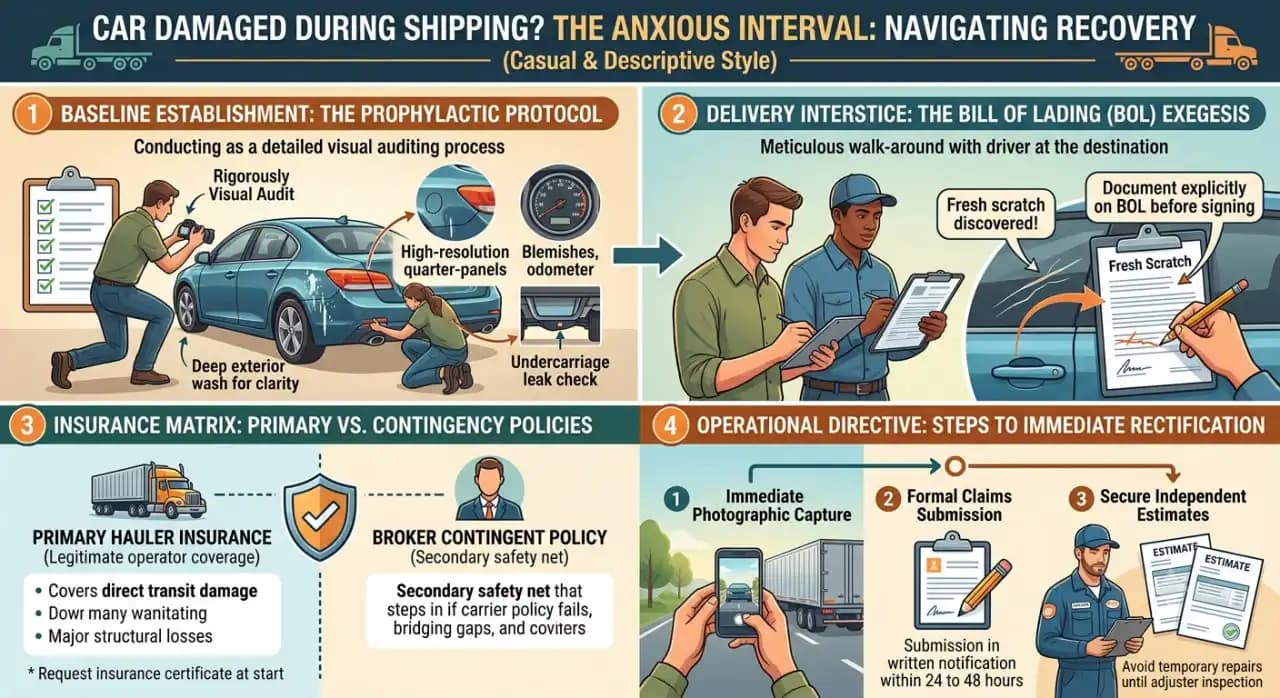
What Happens If My Car Is Damaged During Shipping?
Handing over the keys of a prized vehicle to an auto transport carrier can trigger a distinct sense of vulnerability.